BPC-157.
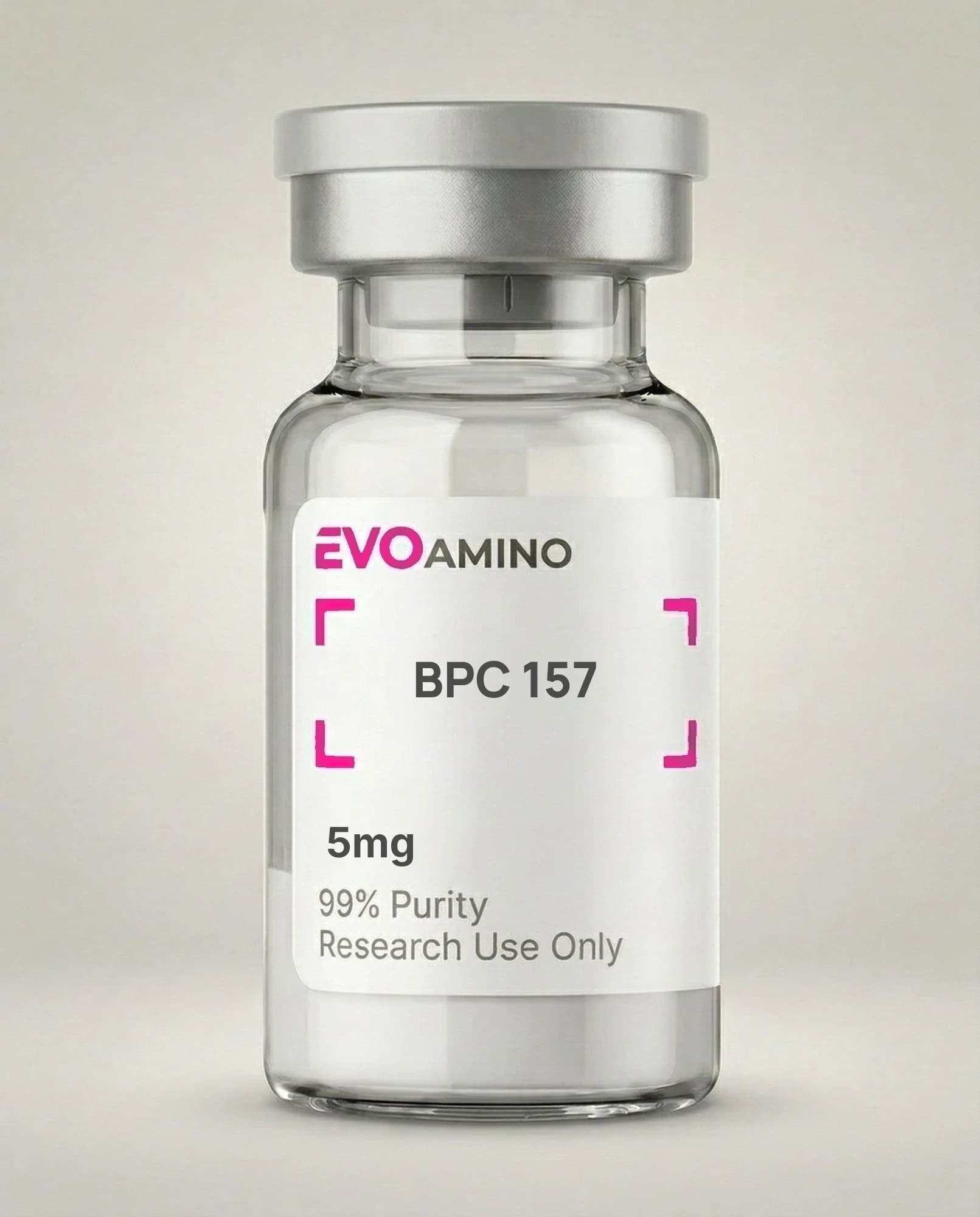
BPC-157 (Body Protection Compound-157) is a synthetic pentadecapeptide derived from a partial sequence of human gastric juice protein. With the molecular formula C₆₂H₉₈N₁₆O₂₂ and a molecular weight of...
Lab Verified
Clinical Grade
PMID Cited
Mechanism of Action.
Published preclinical research has characterized the following molecular pathways and receptor interactions for BPC-157.
Nitric Oxide Pathway
BPC-157 modulates nitric oxide synthase expression and activity, affecting vascular tone and tissue perfusion in preclinical models.
Growth Factor Signaling
Published research indicates interactions with vascular endothelial growth factor and fibroblast growth factor signaling cascades in tissue culture studies.
Neurotransmitter Systems
BPC-157 has been shown to influence dopaminergic and GABAergic neurotransmission in neuronal cell culture models.
Clinical Literature
Research review on BPC-157 molecular characterization.
Preclinical studies have characterized the molecular properties and receptor binding profiles of BPC-157 in standardized assay systems.
BPC-157 structure-activity relationship analysis.
Structure-activity relationship studies have examined the functional domains and binding characteristics of BPC-157 in cell-free and cell-based systems.
RESEARCH USE ONLY: This compound is intended exclusively for in vitro laboratory research. Not for human or veterinary use. Not intended to diagnose, treat, cure, or prevent any disease. Not evaluated by the FDA. Must be 21+ to purchase.
Related Compounds.
 Healing
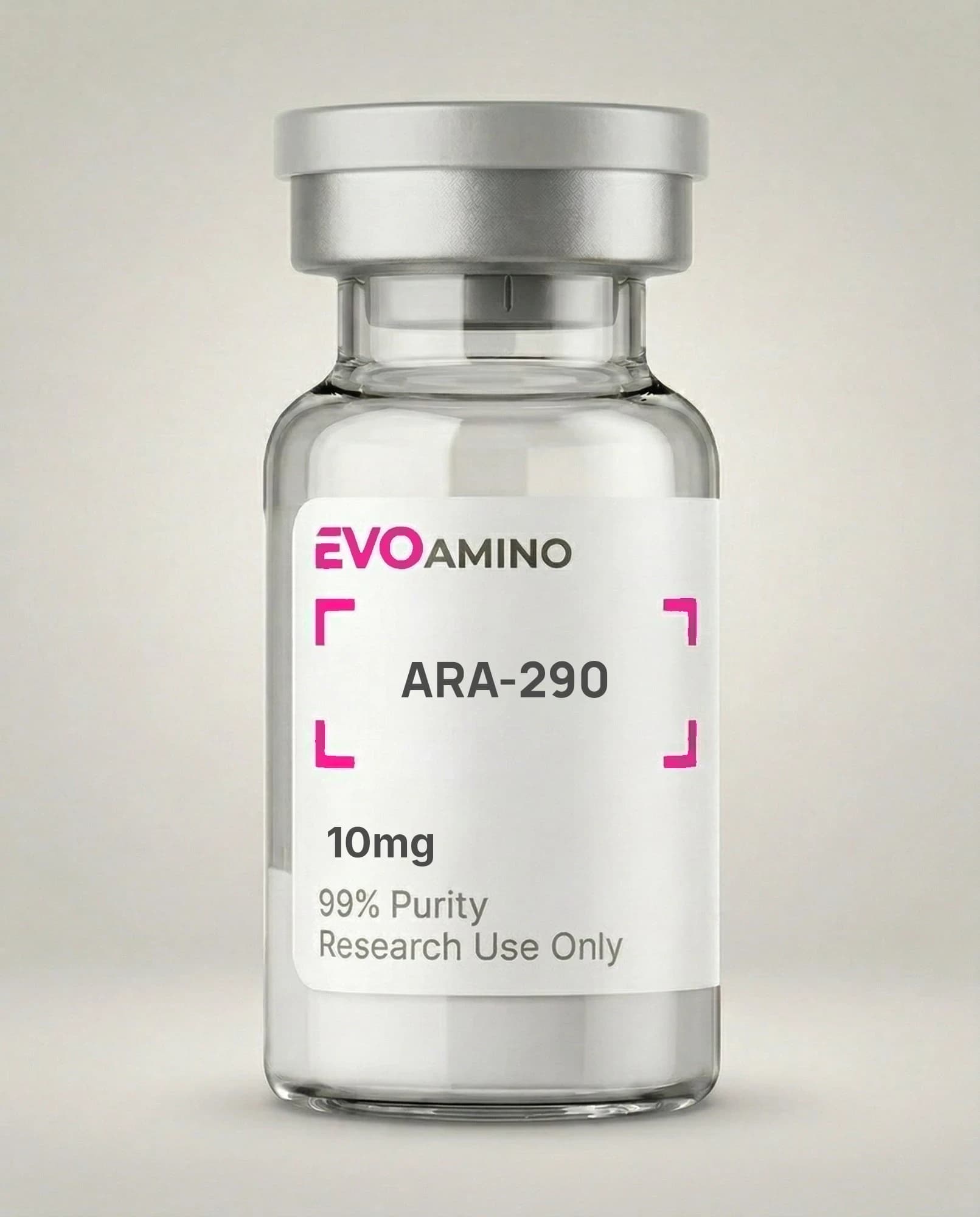
ARA-290
$102.00C51H84N16O21 · 1257.3 g/mol
For in vitro research use only. Not for human consumption.
 Healing
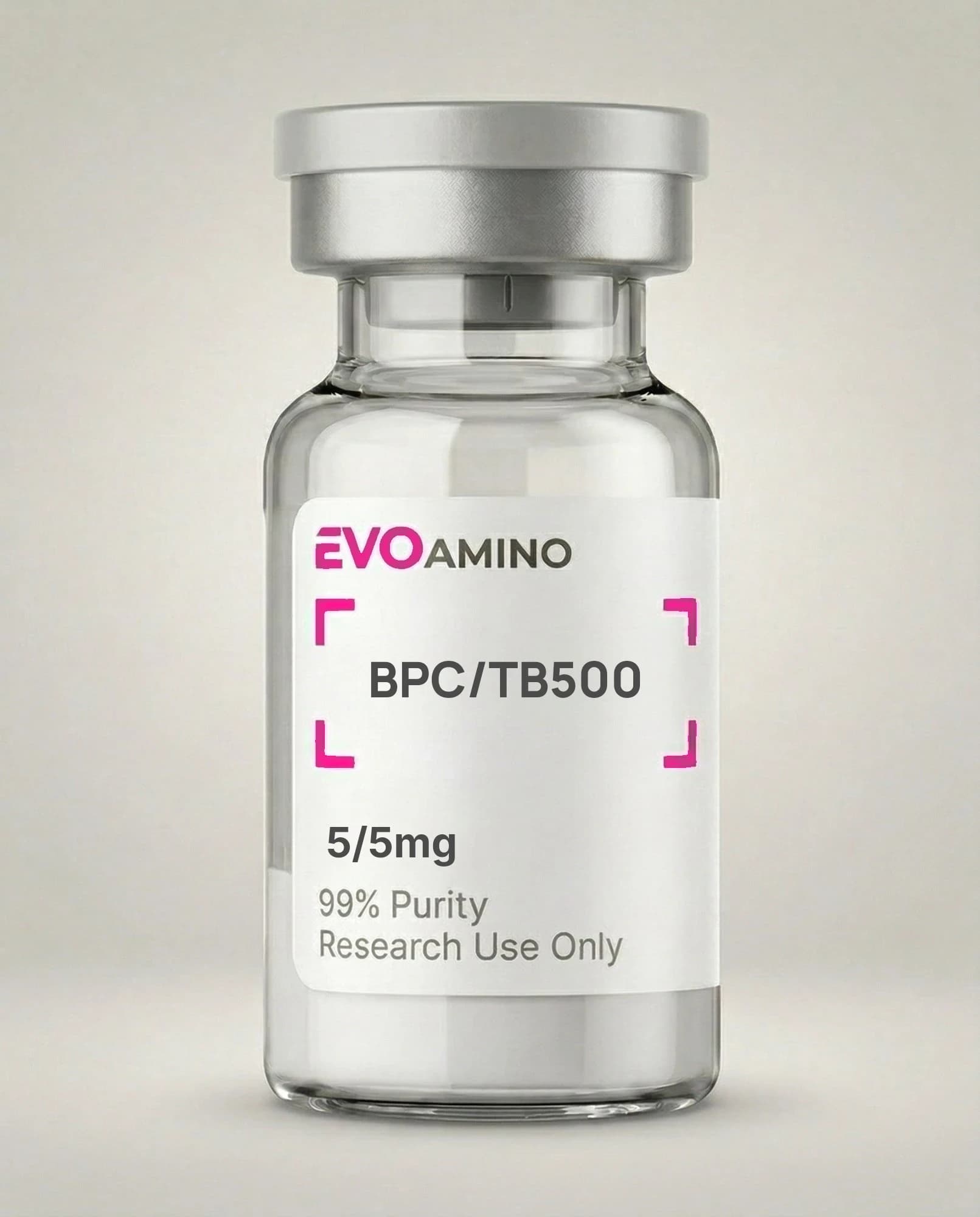
BPC/TB500
$57.00Blend · Mixed
For in vitro research use only. Not for human consumption.
 Healing
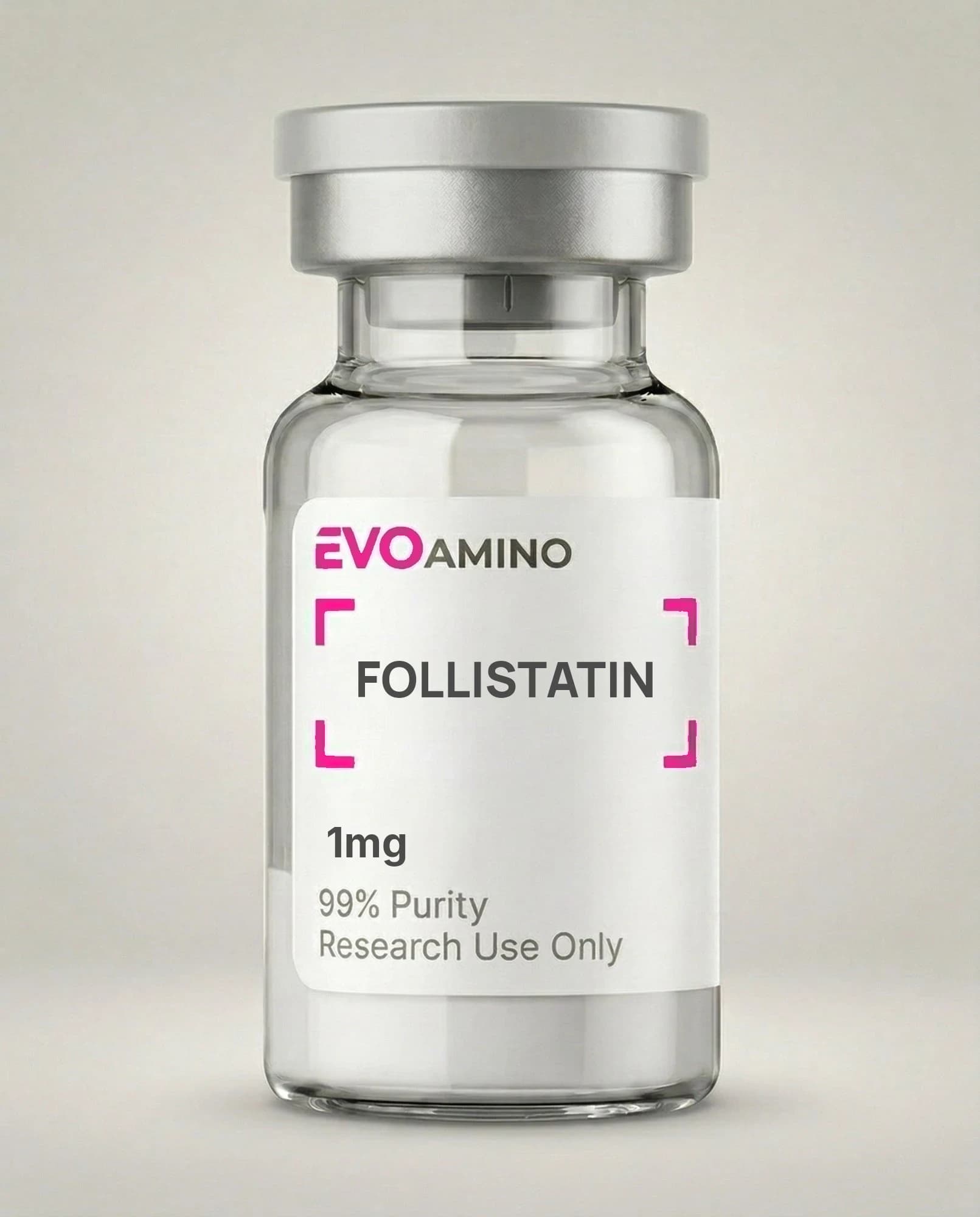
Follistatin
$156.00N/A (recombinant protein) · ~37,000–40,000 Da (recombinant); ~3780 Da (synthetic truncated form)
For in vitro research use only. Not for human consumption.
Related Research & Analysis
BPC-157 vs Melanotan 2: A Research Comparison of Structure, Targets, and Analytical Profile
BPC-157 is a linear 15-residue fragment of a gastric protein (1419.56 g/mol), while Melanotan 2 is a cyclic lactam-bridged alpha-MSH analog (1024.18 g/mol). A side-by-side comparison of origin, structure, published pathway research, and analytical considerations. For research purposes only.
BPC-157 vs Follistatin: A Research Comparison
A structural and mechanistic comparison of BPC-157 and Follistatin across molecular class, receptor biology, and documented in vitro research applications in tissue-repair and growth-factor signaling contexts. For research purposes only.
BPC-157 vs GLP-1: Structural Classes, Mechanisms, and Research Applications Compared
A head-to-head structural and mechanistic comparison of BPC-157 and GLP-1 across their distinct research classes, receptor biology, and documented in vitro applications. For research purposes only.